

Polyvinyl chloride, known as PVC or vinyl, plays a critical role in sea rescue and transport equipment, ensuring durability, waterproofing, and safety in harsh marine conditions. A unique advantage of vinyl is its ability to be high-frequency (HF) welded, enabling strong, airtight, and watertight seams. These properties make vinyl well suited for components used in rescue and transport equipment designed to meet international maritime safety requirements, including SOLAS-related performance standards.
Key Sea Rescue & Transport Applications
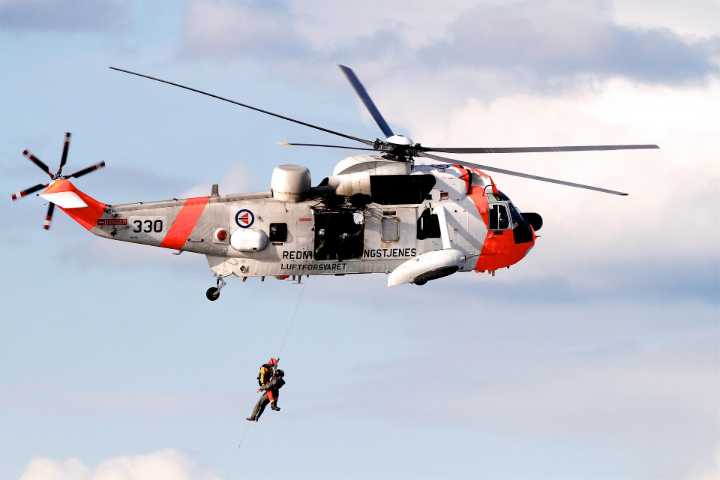
Stretchers and Patient Transport Systems
Vinyl is used in stretcher surfaces, transport mattresses, restraint systems, and protective covers for maritime rescue. It provides waterproof, flexible, and hygienic surfaces that perform reliably after exposure to seawater and repeated cleaning. High-frequency (HF) welding enables airtight and watertight construction with high superb mechanical strength.

Protective Clothing and Immersion Equipment
Vinyl is used in selected layers and components of protective rescue clothing and immersion equipment, where waterproofing, flexibility, and resistance to seawater and chemicals are required.
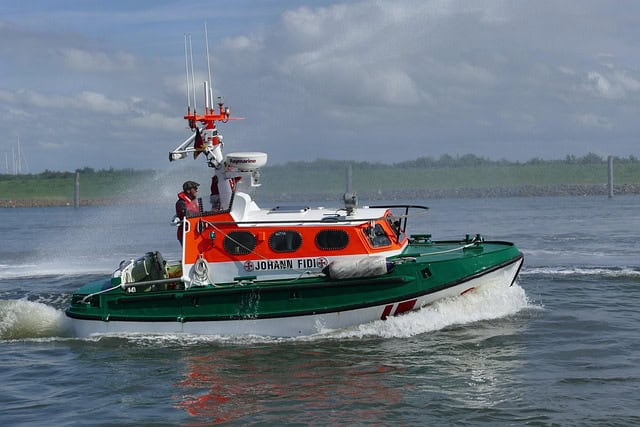
Boats and Rescue Craft Components
Vinyl is used in a wide range of functional components on rescue boats and rigid inflatable boats (RIBs). Vinyl-coated fabrics are applied in inflatable tubes where airtight, watertight, and HF-welded seams are essential for reliable performance.
The polymer is also used for fenders, bumper profiles, and rub rails, providing impact absorption and hull protection during docking, boarding, and rescue operations.
In addition, vinyl is used in deck coverings and cables where resistance to moisture, saltwater, abrasion, and UV exposure is required.
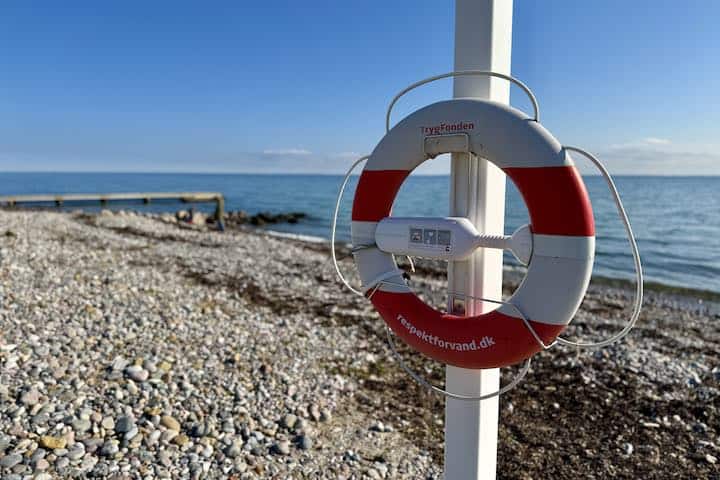
Lifebuoys
Vinyl is used as thick-walled, air-filled PVC in inflatable lifebuoys and as a durable outer coating that remains visible and functional after long-term exposure to seawater, UV radiation, and mechanical wear.