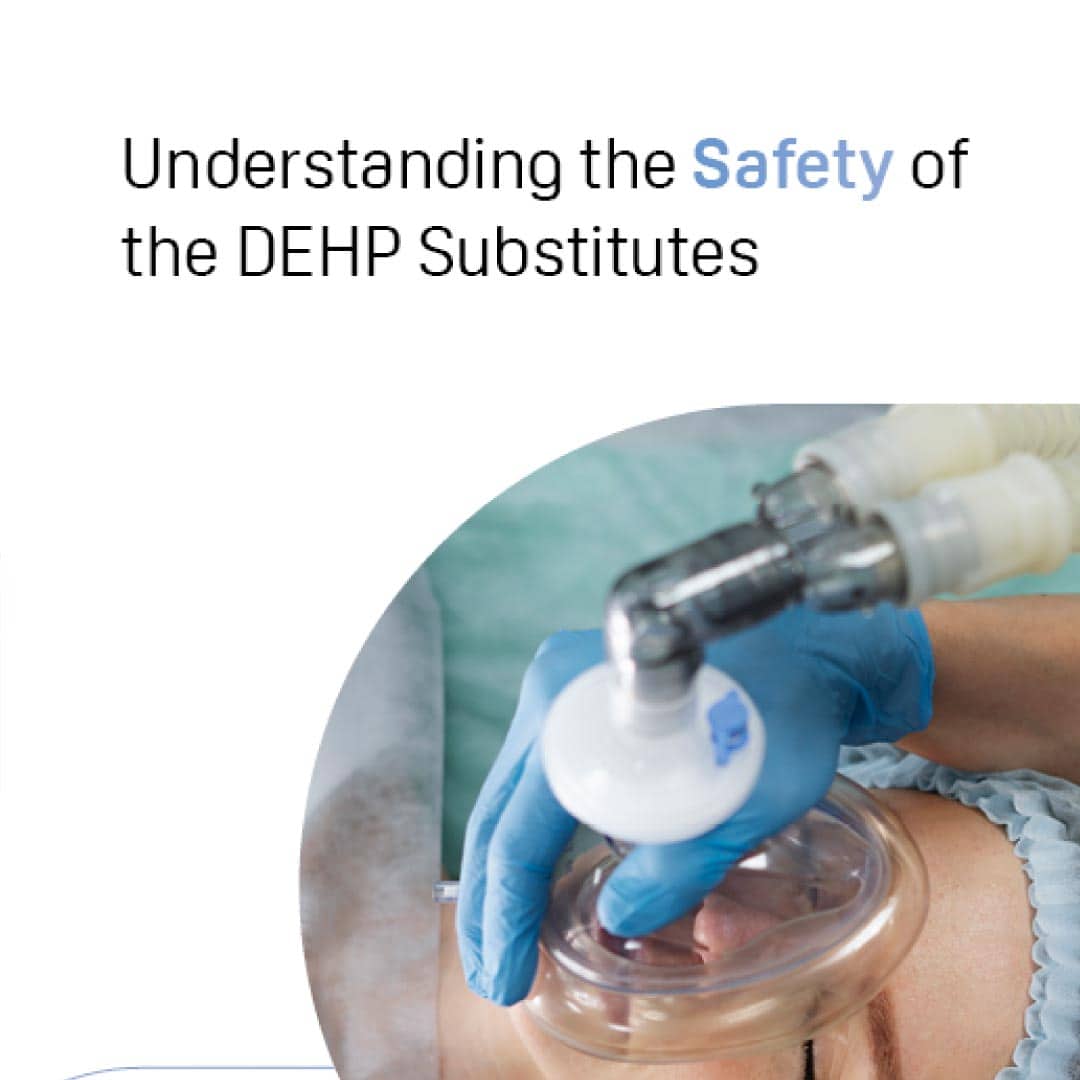



Polyvinyl chloride, known as PVC or vinyl is the single most used plastic for disposable medical devices such as masks, tubing and bags. Most of the PVC-based medical devices are soft, which requires that a so-called plasticiser is added to the compound. For many years the plasticiser of choice was the phthalate DEHP. Based on its toxicological profile the substance has been under increasing scrutiny by regulatory and medical authorities.
Under the EU Medical Device Regulation (MDR), DEHP may continue to be used in legacy medical devices during the transition period, provided its presence is justified according to the latest SCHEER guidelines. The MDR transition deadlines are 31 December 2027 for high-risk devices and 31 December 2028 for low- and medium-risk devices.1 Under the EU’s chemical regulation REACH, the sunset date for DEHP is 1 July 2030.2
The plasticiser industry has invested more than €6 billion in developing safe alternatives to DEHP. For medical applications, the European Pharmacopoeia has since 2016 listed the following plasticisers as suitable replacements: DINCH, BTHC, TOTM, and DEHT (also known as DOTP/DEHTP).
These plasticisers are technically suitable for replacing DEHP across virtually all medical applications, including blood bags, as demonstrated by recent studies from European blood services. In Europe, the switch has already taken place, and most PVC-based medical devices are now produced using DEHP-free plasticisers.
Yet some stakeholders are questioning the safety of the new plasticisers, which this document seeks to address.